Importance of Medical Imaging in Early Detection of Neurodegenerative Diseases
Medical imaging has become an indispensable tool in the early detection of neurodegenerative diseases such as Alzheimer’s, Parkinson’s, and multiple sclerosis. Early diagnosis is crucial for managing these conditions, as it allows for timely intervention which can slow disease progression and improve the quality of life for patients.
The ability to detect neurodegenerative changes at an early stage can also aid in better understanding the disease mechanisms, leading to more effective treatments. Medical imaging provides a non-invasive way to monitor brain changes over time, making it a critical component of modern neurological healthcare.
Cutting-Edge Medical Imaging Techniques
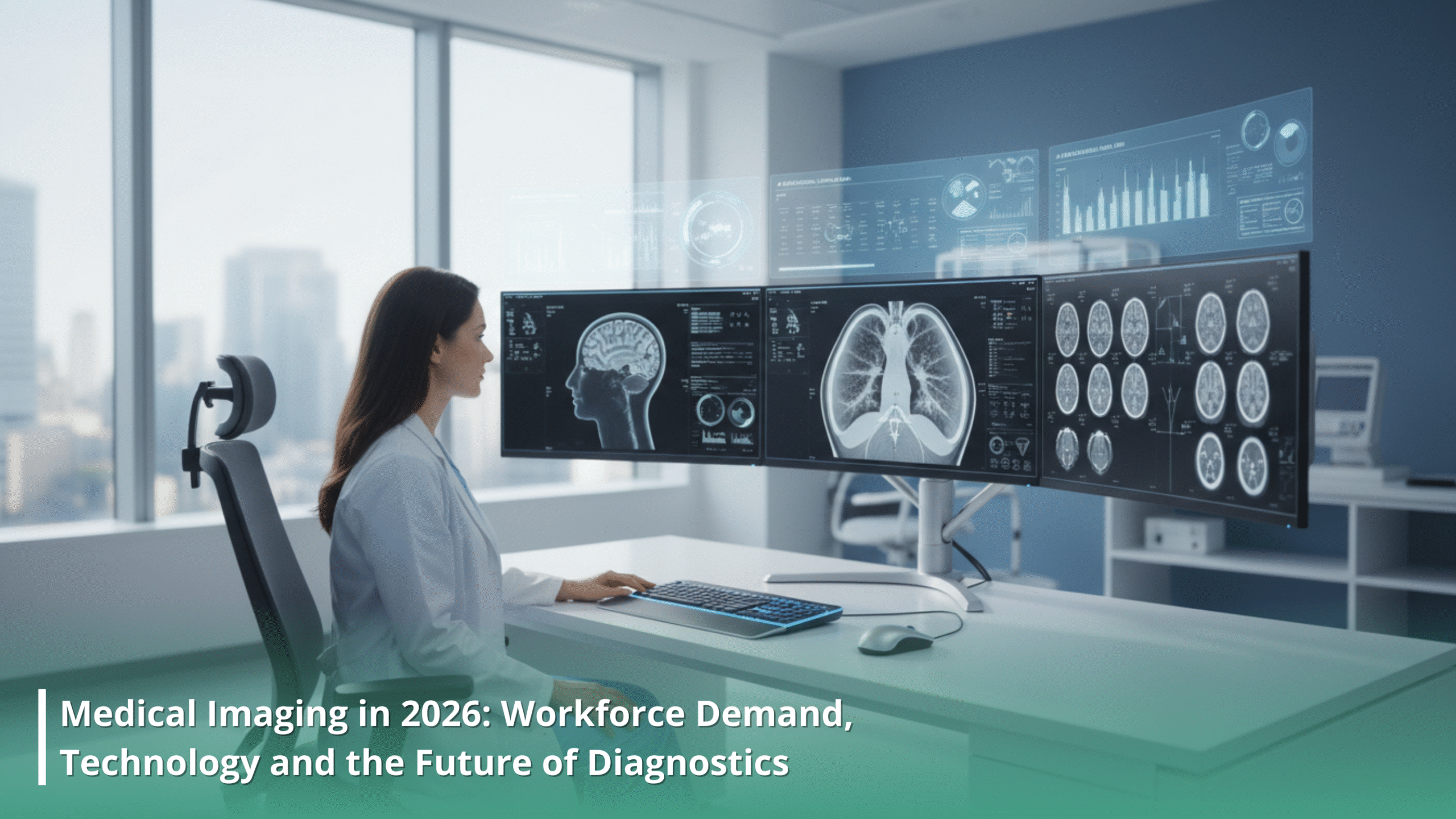
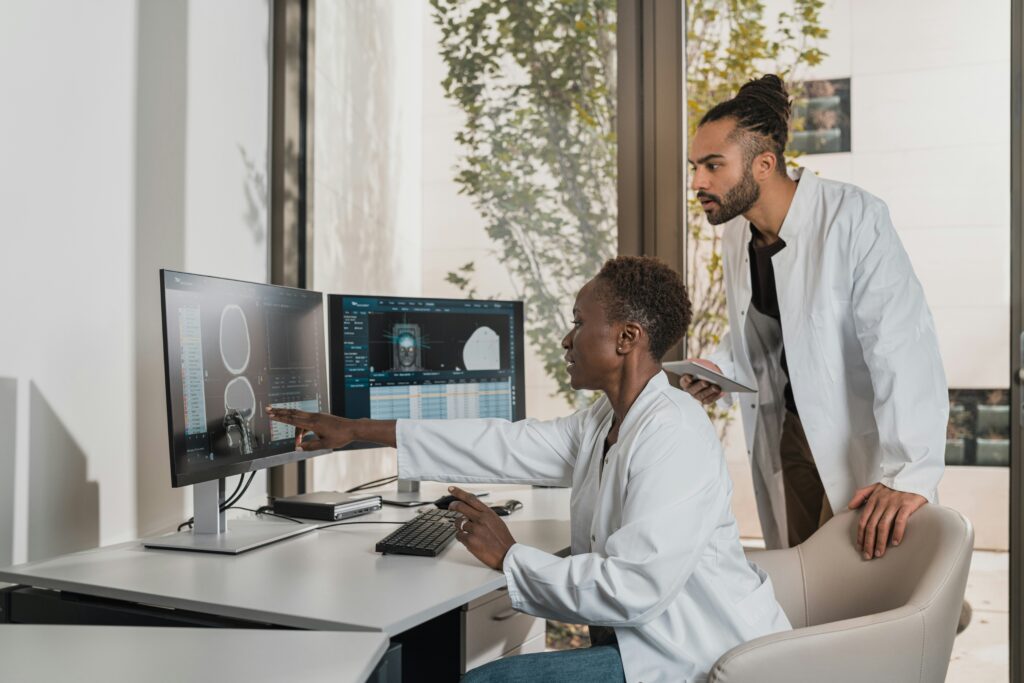
Several advanced imaging techniques are now available to healthcare providers. Magnetic Resonance Imaging (MRI), Computed Tomography (CT) and Positron Emission Tomography (PET) scans are among the most commonly used methods. MRI provides detailed images of brain structure, while CT scans can detect tumours, assess injuries, and provide detailed information on organ structures. PET scans on the other hand can measure metabolic activity and detect amyloid plaques, which are indicative of Alzheimer’s disease.
Other innovative techniques include functional MRI (fMRI), which measures brain activity by detecting changes in blood flow, and Diffusion Tensor Imaging (DTI), which maps the diffusion of water molecules in brain tissue, helping to identify abnormalities in brain connectivity.
How Medical Imaging Identifies Neurodegenerative Markers
Medical imaging allows for the identification of specific biomarkers associated with neurodegenerative diseases. For example, in Alzheimer’s disease, imaging can reveal amyloid plaques and tau tangles, which are hallmarks of the condition. In Parkinson’s disease, imaging can detect the loss of dopamine-producing neurons in specific brain regions.
These biomarkers not only aid in diagnosis but also in tracking disease progression and response to treatment. This ability to visualise and quantify changes in the brain is invaluable for both clinical practice and research.
The Role of AI and Machine Learning in Medical Imaging
Artificial Intelligence (AI) and machine learning are transforming medical imaging by improving the accuracy and efficiency of image analysis. These technologies can analyse vast amounts of imaging data quickly, identifying patterns and anomalies that may be missed by human eyes.
AI algorithms can also predict disease progression and patient outcomes, providing valuable insights for personalised treatment plans. The integration of AI into medical imaging is paving the way for more precise and earlier detection of neurodegenerative diseases.
Emerging Trends and Innovations in Neurodegenerative Disease Detection
The future of medical imaging in neurodegenerative disease detection looks promising, with ongoing research focused on developing even more sophisticated imaging techniques and technologies. Innovations such as hybrid imaging, which combines different imaging modalities, are expected to provide more comprehensive insights into brain health.
Researchers are also exploring the use of novel biomarkers and imaging agents that can provide earlier and more specific detection of neurodegenerative changes. As these advancements continue to evolve, they hold the potential to significantly improve the early diagnosis and management of neurodegenerative diseases.