Understanding the Healthcare Landscape for 2025
The healthcare industry is constantly evolving, and by 2025, it will have changed even more dramatically. Advances in technology, an aging population, and a shift towards personalised medicine are all key factors driving this transformation. As a healthcare professional, it’s crucial to stay updated on these trends to remain competitive in the job market.
Understanding these changes allows you to anticipate the skills and qualifications that will be in demand. For instance, digital literacy and proficiency in emerging technologies such as artificial intelligence and telemedicine will become increasingly important. By keeping an eye on industry reports and participating in continuous education, you can ensure that your career goals are aligned with the future landscape of healthcare.
Emerging Opportunities in Medical Imaging
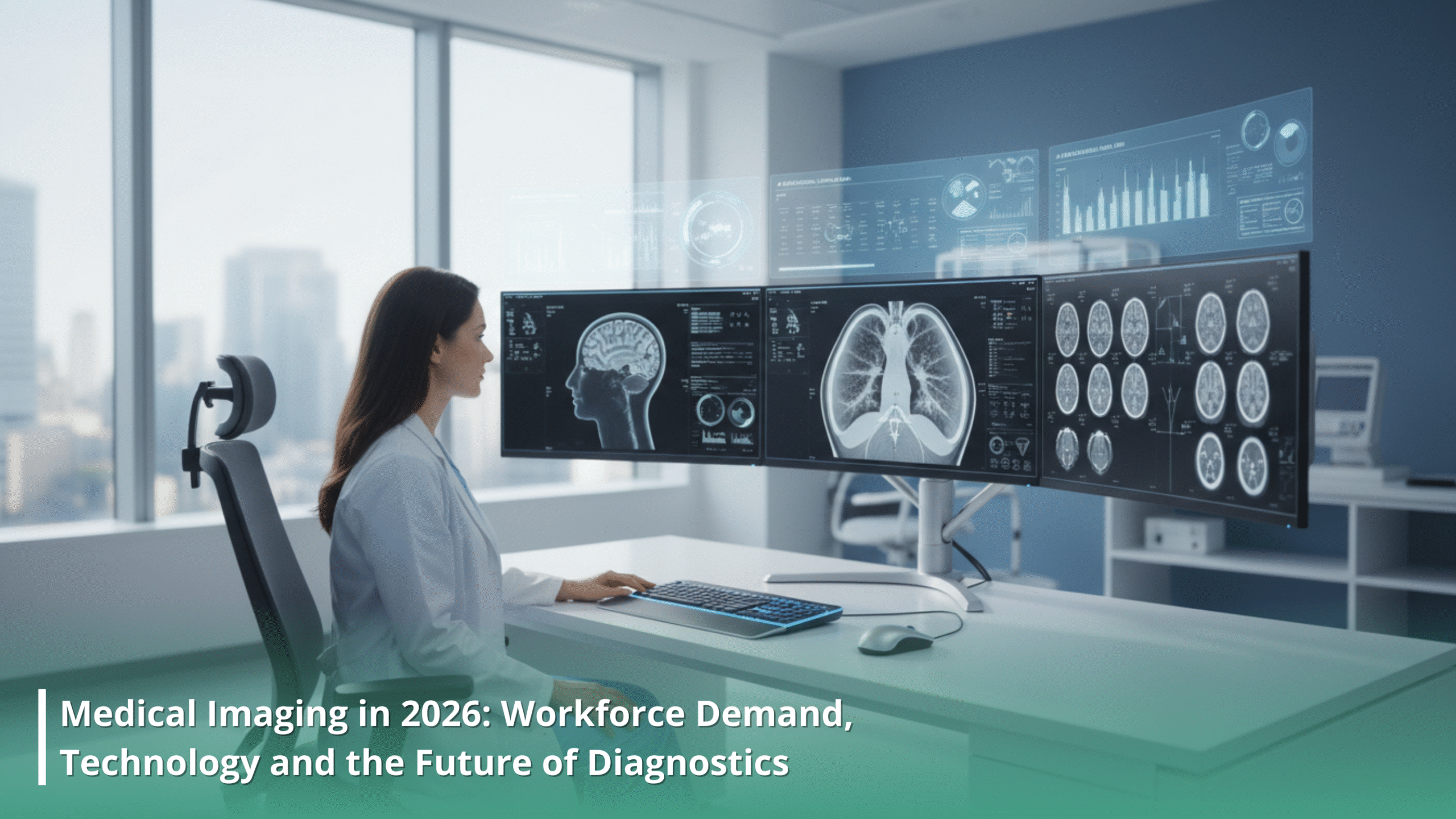
Medical imaging is a rapidly advancing field with numerous opportunities for growth. The integration of artificial intelligence and machine learning into imaging technology is revolutionising the way diagnoses are made. By 2025, professionals who are skilled in operating and interpreting advanced imaging technologies will be highly sought after.
Moreover, the expansion of telehealth services means that medical imaging professionals may find new roles that involve remote consultations and diagnostics. Specialising in areas such as radiography, sonography, or MRI technology can provide a competitive edge and open doors to a variety of career paths within the medical imaging sector.
The Growing Demand in Aged Care
As the global population ages, the demand for aged care services is projected to rise significantly by 2025. This sector will require a large number of dedicated professionals to provide quality care to the elderly. Careers in aged care can range from direct patient care roles, such as nurses and personal care assistants, to administrative and management positions.
Understanding the specific needs of the elderly population, including chronic disease management, mobility assistance, and mental health support, will be crucial. By focusing on these areas and obtaining relevant certifications, you can position yourself as a valuable asset in the aged care industry.
Allied Health: A Field of Expanding Horizons
Allied health professionals play a vital role in the healthcare system, providing a wide range of diagnostic, therapeutic, and support services. With the healthcare industry moving towards a more integrated and holistic approach to patient care, the demand for allied health professionals is expected to grow.
Fields such as physiotherapy, occupational therapy, and speech pathology are seeing increased demand. By 2025, these roles will likely expand to include more community-based and preventive care services. Pursuing a career in allied health offers the opportunity to make a significant impact on patient outcomes and overall public health.
Strategic Steps to Achieve Your 2025 Career Goals
Setting and achieving career goals in healthcare requires a strategic approach. Start by conducting a thorough self-assessment to understand your strengths, weaknesses, and interests. This will help you identify the areas you are most passionate about and where you can make the most impact.
Next, research the specific qualifications and certifications required for your desired career path. Enroll in relevant courses, attend industry conferences, and engage in networking opportunities to stay informed about the latest trends and advancements. Finally, create a detailed action plan with short-term and long-term goals, and regularly review and adjust your plan as needed to stay on track.