Technological Proficiency: The New Baseline
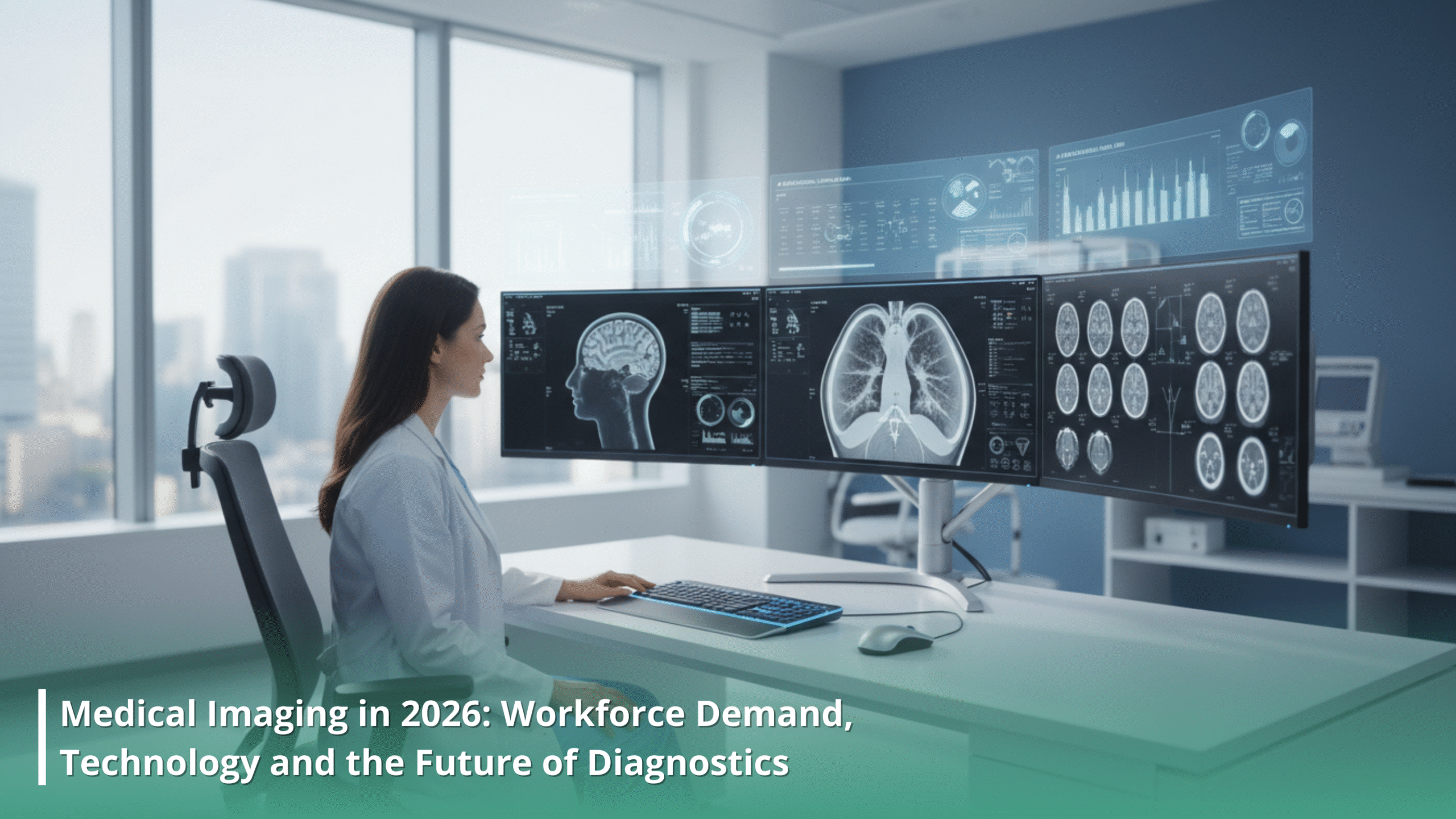
As the healthcare industry continues to embrace digital transformation, technological proficiency is becoming a fundamental requirement for healthcare professionals. In fields such as Medical Imaging, advancements in AI and machine learning are revolutionising diagnostic processes, making it essential for professionals to stay updated with the latest technologies.
In Aged Care, the use of telehealth and wearable devices is increasing, enabling remote monitoring and personalised care for the elderly. Allied Health professionals, including physiotherapists and occupational therapists, are also leveraging technology to enhance patient outcomes through innovative treatment modalities. Thus, a strong grasp of current and emerging technologies will be crucial for healthcare professionals by 2025.
Emotional Intelligence: Beyond Traditional Care
Emotional intelligence (EI) is crucial in healthcare delivery. Studies show professionals with high EI better manage patient interactions, communicate effectively, and handle stress. In Medical Imaging, for instance, empathetic communication improves patient satisfaction and cooperation, particularly for anxious patients.
In Aged Care, EI helps build trust and strong client relationships. Care workers use empathy, active listening, and adaptability to address elderly patients’ unique emotional needs. Advocacy groups highlight EI’s positive impact on patient outcomes and caregiver satisfaction.
For Allied Health professionals, EI aids in motivating patients and addressing concerns during recovery. Research links high EI to better adherence to treatment plans. With patient-centred care gaining priority, training programs increasingly emphasise EI.
Interdisciplinary Collaboration: A Must-Have Skill
The healthcare landscape is increasingly moving towards a multidisciplinary approach, where professionals from various specialisations work together to provide holistic patient care. In Medical Imaging, collaboration with radiologists, oncologists, and surgeons is essential to ensure accurate diagnoses and effective treatment plans.
In Aged Care, a team-based approach involving nurses, social workers, and therapists ensures comprehensive care for the elderly. Allied Health professionals often work alongside doctors, nutritionists, and mental health specialists to address diverse patient needs. By fostering strong interdisciplinary collaboration skills, healthcare professionals can enhance patient outcomes and streamline care delivery processes by 2025.
Data Analytics: Turning Information into Action
With the exponential growth of healthcare data, the ability to analyse and interpret data is becoming increasingly important. Medical Imaging professionals must harness data analytics to improve diagnostic accuracy and optimise imaging protocols. Predictive analytics can also help in identifying potential health risks and personalising treatment plans.
In Aged Care, data-driven insights can enhance patient monitoring and predict health deteriorations, allowing for timely interventions. Allied Health professionals can use data analytics to track patient progress and refine treatment strategies. By 2025, proficiency in data analytics will be a critical skill, enabling healthcare professionals to make informed decisions and improve patient care.
Cultural Competence: Meeting Diverse Needs
Australia’s multicultural society requires healthcare professionals to be culturally competent and sensitive to the diverse backgrounds of their patients. Medical Imaging professionals must be aware of cultural differences that may affect patient comfort and cooperation during imaging procedures.
In Aged Care, understanding cultural preferences and traditions is crucial for providing respectful and personalised care to elderly patients from various backgrounds. Allied Health professionals also need to consider cultural factors when designing and implementing treatment plans. By 2025, cultural competence will be a key skill, ensuring that healthcare services are inclusive and equitable for all patients.