Understanding the Multifaceted Role of Radiographers
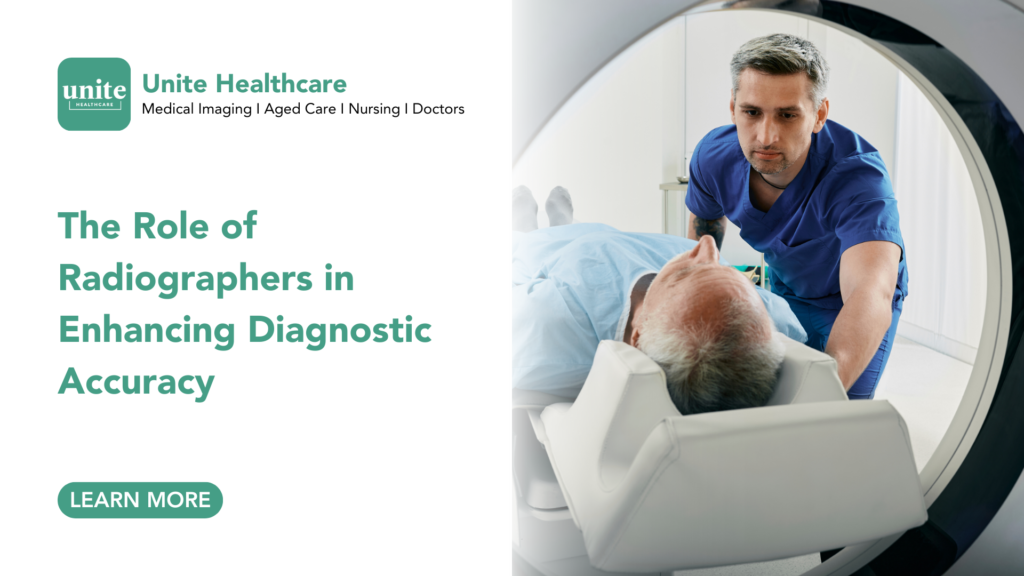
Radiographers play a crucial role in the healthcare industry by operating imaging equipment and capturing detailed images that are essential for accurate diagnosis. Their responsibilities extend beyond merely operating machines; they are also involved in patient care, ensuring comfort and safety during procedures.
In addition to technical skills, radiographers must possess a thorough understanding of human anatomy and physiology. Their ability to accurately position patients and adjust equipment settings directly impacts the quality of the diagnostic images obtained. This multifaceted role ensures that radiographers are indispensable in the diagnostic process.
Advanced Imaging Techniques and Their Impact on Diagnosis
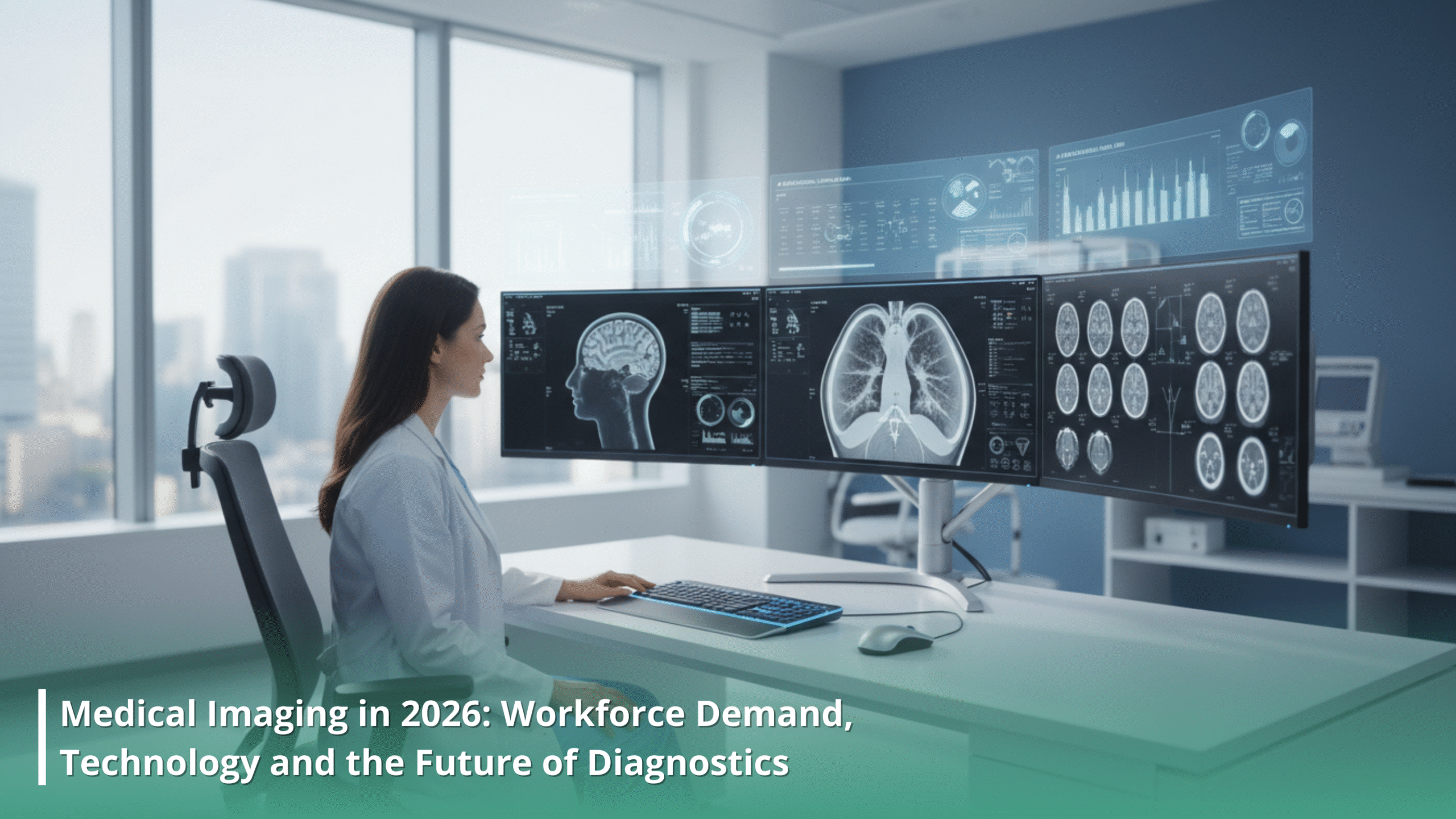
The advent of advanced imaging techniques such as MRI, CT scans, and PET scans has revolutionised the field of diagnostic radiography. These technologies provide high-resolution images that enable more precise and early detection of medical conditions.
Radiographers are trained to expertly handle these advanced imaging modalities, ensuring that the images produced are of the highest quality. Their expertise allows for the detection of subtle abnormalities that might be missed with less sophisticated equipment, thereby improving diagnostic accuracy and patient outcomes.
Training and Education: Preparing Radiographers for Excellence
The journey to becoming a proficient radiographer involves rigorous training and education. Radiography programs typically include comprehensive coursework in anatomy, physics, and specialised imaging techniques, as well as extensive clinical practice.
Continuous professional development is also crucial for radiographers to stay updated with the latest advancements in imaging technology and practices. Workshops, certifications, and advanced degrees ensure that radiographers maintain their expertise and continue to deliver high-quality diagnostic services.
Challenges Faced by Radiographers in Diagnostic Imaging
Radiographers face several challenges in their field, including the need to stay abreast of rapidly evolving technologies and techniques. The demand for higher image quality and quicker turnaround times can also add pressure to their daily tasks.
Radiographers must navigate the complexities of patient care, particularly in situations where patients are anxious or in pain. Balancing the technical aspects of their role with compassionate patient interactions is a significant, yet essential, challenge.
Future Trends in Radiography and Diagnostic Technologies
The future of radiography is set to be shaped by advancements in artificial intelligence (AI) and machine learning. These technologies have the potential to enhance image analysis, providing radiographers with tools to identify abnormalities more quickly and accurately.
The integration of AI with imaging equipment could lead to the development of automated systems that assist radiographers in obtaining optimal images with minimal patient discomfort. As these trends continue to evolve, the role of radiographers will become even more essential in ensuring diagnostic accuracy and improving patient care.